
 فارسی
فارسی  English
  العربية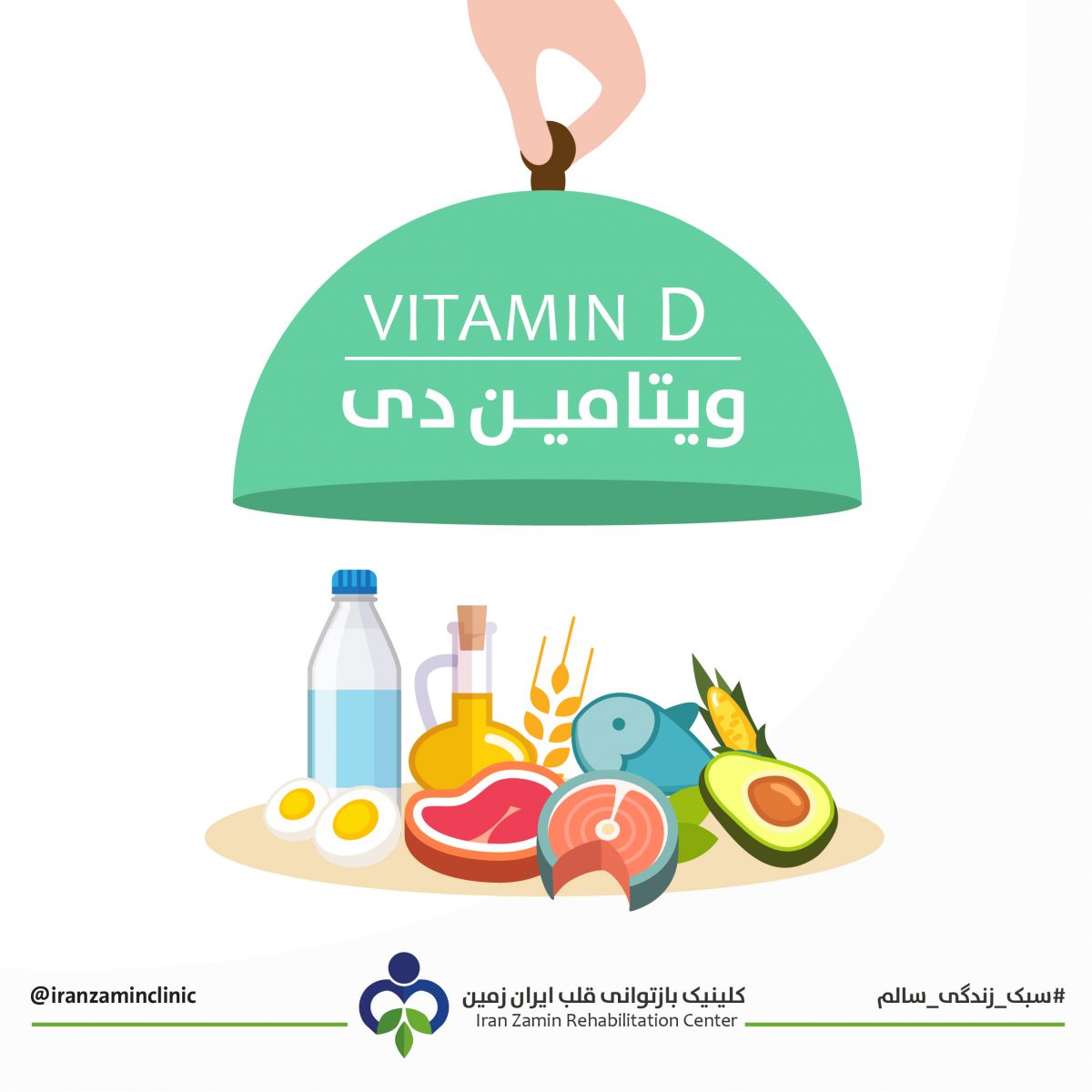
In today's fast-paced world, attention to health and the body's nutritional needs has become more important than ever. One of the key elements needed to maintain bone health and proper body function is vitamin D. This fat-soluble vitamin not only plays a vital role in bone health but is also essential for many of the body's physiological functions. Below, we look at the properties of vitamin D, its sources, and especially the effects of vitamin D deficiency.
What Is Vitamin D and Why Is It Essential for the Body?
Vitamin D, sometimes called the “sunshine vitamin,” is one of the vitamins our bodies need for the effective absorption of calcium and phosphorus. These two minerals are very important for the growth and strength of bones, teeth, and even muscle function. Without enough vitamin D, the absorption of these nutrients decreases, weakening bone structure.
The human body can produce vitamin D through direct sun exposure. However, for many people — due to living in low-sunlight regions, heavy sunscreen use, or extensive clothing coverage — this need is not fully met through sunlight alone. For this reason, getting vitamin D through food sources or supplements is very important. At Iran Zamin Cardiac Rehabilitation Clinic, we work to guide patients, with the help of our best nutrition consultants, along the most effective path to correcting this vitamin deficiency.
Natural and Dietary Sources
To meet the body's daily vitamin D requirement, it's best to use a variety of sources. Below are some of the most important sources of vitamin D:
- Vitamin D-fortified milk and dairy: Today many dairy products, especially milk, are fortified with vitamin D and can supply part of the daily requirement.
- Fatty fish: Fish such as tuna, salmon, and sardines are rich, natural sources of vitamin D. In addition to vitamin D, these fish contain omega-3 fatty acids, which are good for heart health.
- Egg yolks: While egg whites are a protein source, the yolk is rich in vitamin D.
- Beef liver: A traditional, nourishing source containing a good amount of vitamin D.
- Fortified breakfast cereals: Some breakfast cereals are fortified with vitamin D and can be a good choice to start the day.
- Sunlight: About 10 to 30 minutes of sun exposure (depending on skin type and climate) can help the body's natural vitamin D production.
A Complete Look at the Effects of Vitamin D Deficiency
One of the most important reasons to pay attention to vitamin D intake is preventing the effects of vitamin D deficiency. These effects can cause a wide range of problems in the body, some of which are discussed below:
1. Rickets in Children
Children with vitamin D deficiency, especially during growth years, may develop a condition called rickets, or bone softening. In this condition, the bones become soft and brittle and may become deformed.
2. Delayed Motor Development in Children
Other effects of vitamin D deficiency in children include delayed teething, sitting, and walking. These signs should be taken seriously and evaluated by a physician.
3. Bone Pain and Muscle Weakness in Adults
Adults with prolonged vitamin D deficiency may experience vague pain in the lower back, legs, and joints. In some cases, reduced bone density is also observed, which lays the groundwork for bone fractures at older ages.
4. Osteoporosis in the Elderly
As we age, the body's ability to absorb vitamin D and calcium weakens. If this is combined with vitamin D deficiency, the risk of osteoporosis increases — one of the main causes of hip and vertebral fractures in the elderly.
5. Pelvic Deformity in Girls
In some cases, severe vitamin D deficiency can lead to changes in pelvic shape, which in girls can cause future problems with pregnancy and childbirth.
Preventing Vitamin D Deficiency
To prevent the effects of vitamin D deficiency, it is essential to follow a few key points:
- Appropriate sun exposure: About 15 minutes of daily sun exposure (without sunscreen) can be very beneficial.
- Balanced nutrition: Including natural sources of vitamin D in your diet can play an effective role in prevention.
- Consulting a doctor: If deficiency is suspected, a blood test and supplements prescribed by a physician are recommended.
Final Tips for Maintaining Bone Health
Maintaining an adequate level of vitamin D in the body is not limited to proper dietary sources alone; it requires a comprehensive approach that includes lifestyle changes, physical activity, and regular medical follow-up. For this reason, paying attention to the signs and symptoms of vitamin D deficiency is especially important.
By following the recommendations above and using reliable sources, you can improve your bone health and overall body function. For more information and detailed guidance, we recommend consulting international resources such as the Mayo Clinic and Harvard Health.
0 دیدگاه
دیدگاه خود را بنویسید