
 فارسی
فارسی  English
  العربية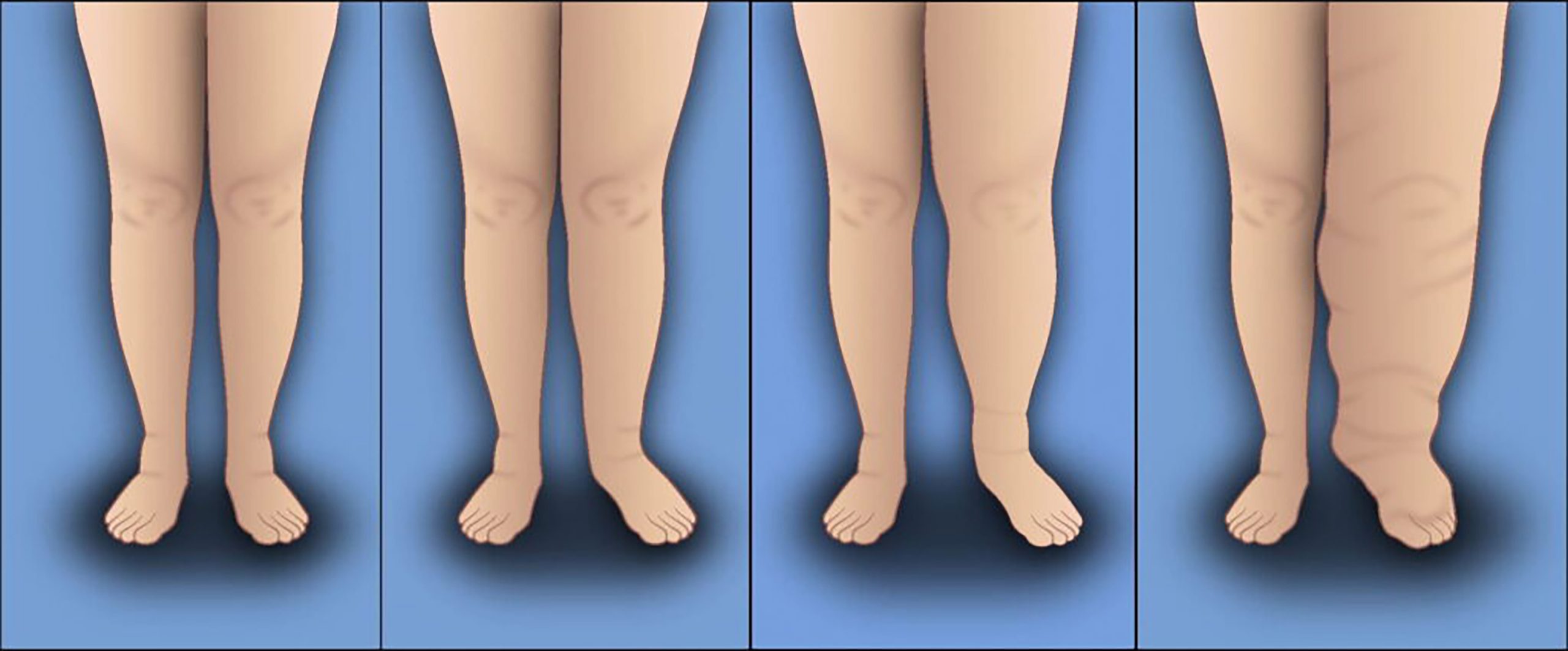
What Is Lymphedema?
Lymphedema is a chronic disease of the lymphatic system that causes lymph fluid to accumulate in the tissues, resulting in persistent swelling of the limbs. It is most often seen in the hands and legs, but sometimes affects the face, abdomen, or chest. Although it is considered a lifelong condition, with early diagnosis and specialized treatment it can be controlled and its progression prevented.
At Iran Zamin Cardiac Rehabilitation Clinic, with advanced medical equipment and a lymphedema specialist in Isfahan, comprehensive services are provided for affected patients.
Types of Lymphedema
Lymphedema is divided into two main groups:
1. Primary
This type occurs due to genetic abnormalities or congenital issues in the lymphatic system. It may be present from birth or appear during adolescence or adulthood.
2. Secondary
This is the most common type of lymphedema and occurs due to damage to the lymphatic system. Its common causes include:
- Cancer surgery and lymph node removal
- Radiation therapy
- Parasitic infections such as filariasis
- Trauma or injury
- Severe obesity
Prevalence and the Importance of Early Diagnosis
According to global research, millions of people suffer from lymphedema. In developed countries, this condition is most often seen after breast or pelvic cancer treatment. In developing countries, parasitic infections are the main cause.
Early diagnosis is very important, because in the initial stages, swelling can be better controlled and disease progression prevented.
Symptoms and Signs of Lymphedema
Symptoms of this condition may be gradual and initially mild. The most common signs include:
- Swelling in one or both arms or legs
- A feeling of heaviness or tightness in the limb
- Reduced flexibility and range of motion in the joints
- Hardening and thickening of the skin (fibrosis)
- Wrinkling and changes in skin texture
- Recurrent skin infections (cellulitis)
- Persistent pain or discomfort
Stages of Disease Progression
The progression of lymphedema is divided into four stages:
- Stage 0 (Latent): Damage to the lymphatic system exists, but swelling is not visible.
- Stage 1: Mild swelling that decreases with rest and elevation of the limb.
- Stage 2: Persistent swelling that does not decrease with rest, and the skin becomes hard.
- Stage 3 (Elephantiasis): Severe swelling, deformity of the limb, and serious skin problems.
Causes and Risk Factors for Lymphedema
Various factors can increase the risk of developing lymphedema, including:
- Cancer surgery and lymph node removal
- Radiation therapy
- Parasitic infections
- Injury and trauma
- Severe obesity
- Genetic predisposition
Methods for Diagnosing Lymphedema
A physician first performs a physical examination and, if needed, uses imaging methods to assist:
- Lymphoscintigraphy: examining lymph fluid flow using radioactive material
- MRI or CT scan: to determine the severity and location of swelling
- Bioimpedance spectroscopy: measuring the amount of fluid in the tissues
Complications of Untreated Lymphedema
If a lymphatic system disorder is not treated in time, the following problems may develop:
- Recurrent skin infections
- Reduced motor function of the limbs
- Permanent deformity of the limb
- Severe hardening and fibrosis
- Increased risk of rare cancers (such as lymphangiosarcoma)
Lymphedema Treatment Methods at Iran Zamin Clinic
1. Non-invasive treatments
- Specialized physiotherapy (CDT): including Manual Lymph Drainage (MLD), compression bandaging, exercise therapy, and skin care
- Compression garments: special stockings or sleeves
- Gentle exercises: such as walking, swimming, and yoga
- Skin care: preventing cracks and infection
2. Medication
There is no specific medication for a definitive cure, but antibiotics are prescribed to control infection.
3. Surgery
In advanced cases, surgical options include:
- Liposuction to reduce limb volume
- Lymphatic vessel transplantation or connecting them to a vein
- Lymph node transplantation from other areas of the body
The Role of Lifestyle in Controlling Lymphatic Swelling
Patients can control the course of the disease by changing their lifestyle:
- Maintaining a healthy weight
- Eating a balanced diet rich in fruits and vegetables
- Reducing salt intake
- Avoiding tight clothing
- Avoiding prolonged sitting or standing
- Paying attention to skin hygiene
Specialized Lymphedema Services at Iran Zamin Clinic
At Iran Zamin Cardiac Rehabilitation Clinic, patients benefit from the services of a specialized team including:
- Lymphedema specialist physicians
- Trained physiotherapists
- Nutrition specialists
- Psychological counselors
Our goal is to provide comprehensive treatment so that patients, in addition to controlling their symptoms, experience a better quality of life.
Summary
Lymphedema is a chronic but manageable condition. Timely diagnosis, physiotherapy treatments, the use of compression garments, and maintaining a healthy lifestyle are the most important strategies for managing it.
At Iran Zamin Clinic, with the presence of lymphedema specialists and the use of modern treatment methods, comprehensive services are provided for patients.
Reliable Sources
- Mayo Clinic – Lymphedema
- National Cancer Institute – Lymphedema (PDQ®)
- Cleveland Clinic – Lymphedema
- American Cancer Society – Lymphedema after Cancer
- International Society of Lymphology – Consensus Document 2023
- CDC – Lymphedema (Cancer Survivors)
0 دیدگاه
دیدگاه خود را بنویسید