 فارسی
فارسی  English
  العربية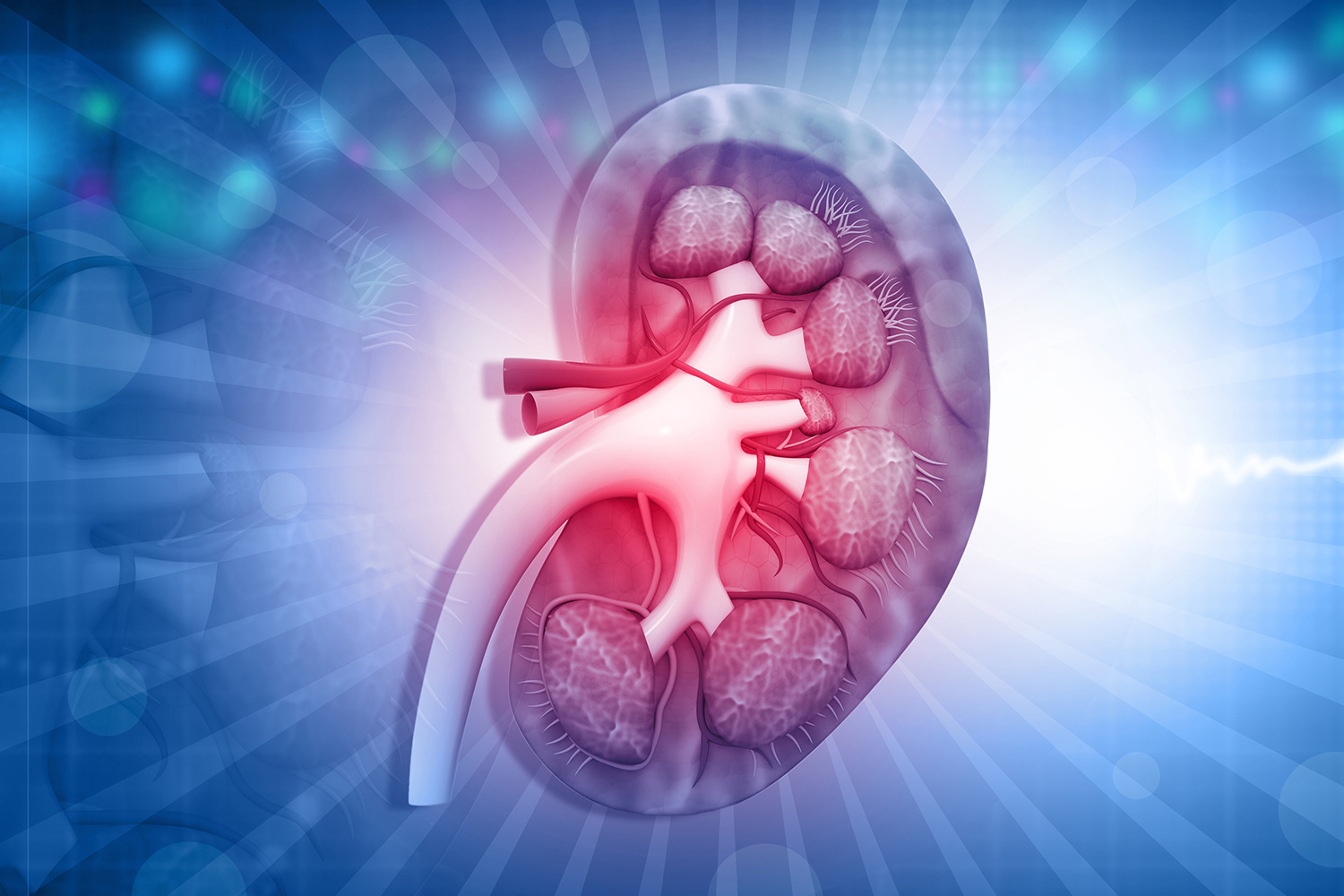
Why Is Kidney Health Vitally Important?
The kidneys are among the body's most important organs, playing an essential role in filtering the blood, eliminating waste products, regulating blood pressure, and balancing fluids and electrolytes. Any disruption in kidney function can affect the health of the entire body.
Nephrology is a subspecialty branch of medical science concerned with the diagnosis, treatment, and prevention of kidney disease. In this article, we introduce this specialty, the duties of a nephrologist, and the nephrology services at Iran Zamin Clinic.
What Is Nephrology, and What Does a Nephrologist Do?
Nephrology is a branch of internal medicine concerned with examining kidney function and treating related diseases.
A nephrologist is a physician who, after completing general medical training and an internal medicine specialty, has completed a subspecialty program in kidney disease and has the skills needed to manage simple to complex kidney conditions.
The Most Important Duties of a Nephrologist
- Accurate diagnosis of kidney disease using blood tests, urine tests, and imaging
- Treating and managing chronic kidney disease and preventing its progression
- Treating high blood pressure, especially treatment-resistant cases
- Managing electrolyte disorders such as sodium, potassium, and calcium
- Managing patients who require dialysis
- Following up with patients before and after kidney transplantation
The Most Common Diseases Managed by a Nephrologist
Chronic Kidney Disease (CKD)
A progressive disease in which kidney function gradually declines. Diabetes and high blood pressure are its most important risk factors.
Nephritis and Nephrotic Syndrome
Inflammation of kidney tissue that can cause protein loss in the urine, body swelling, and impaired kidney function.
Acute Kidney Injury (AKI)
A sudden decline in kidney function that requires immediate evaluation and treatment.
Electrolyte Disorders
An imbalance in the body's mineral levels, common in kidney patients and potentially dangerous.
High Blood Pressure Due to Kidney Disease
In many patients, high blood pressure originates from kidney problems that require specialized treatment.
Introducing Dr. Pejman Pourshabanan — Kidney Disease Subspecialist (Nephrology)
At Iran Zamin Clinic, specialized nephrology services are provided under the care of Dr. Pejman Pourshabanan, a nephrology (kidney disease) subspecialist. You can book an online appointment directly to see him.
With extensive experience in diagnosing and treating kidney disease, he manages patients with simple to advanced kidney disorders in a specialized, evidence-based manner.
Dr. Pourshabanan's Areas of Expertise
- Treating chronic kidney disease and preventing its progression
- Controlling treatment-resistant high blood pressure
- Managing complex electrolyte disorders
- Specialized care for dialysis patients
- Counseling and follow-up for kidney transplant candidates
Nephrology (Kidney Disease) Services at Iran Zamin Clinic
The nephrology department at Iran Zamin Clinic, with a specialized, patient-centered approach, offers the following services:
Specialized Diagnosis of Kidney Disease
- Reviewing and interpreting kidney function tests
- Evaluating patients with symptoms suspicious for kidney disease
- Specialized follow-up of test and imaging results
Treatment of Acute and Chronic Kidney Disease
- Designing a treatment plan tailored to each patient's condition
- Controlling the progression of kidney disease
- Treating complications arising from kidney failure
Care and Follow-Up for Dialysis Patients
- Regular assessment of patients' condition
- Managing dialysis-related complications
- Helping improve patients' quality of life
Nutrition Counseling for Kidney Disease
Proper nutrition plays a key role in managing kidney disease. For this reason, Iran Zamin Clinic, in collaboration with its nutrition specialists, provides specialized counseling services for kidney patients.
- Setting up an appropriate diet for kidney patients
- Controlling intake of salt, protein, potassium, and phosphorus
- Teaching an appropriate lifestyle to preserve kidney function
Education and Prevention
- Educating patients and families about kidney care
- Identifying at-risk individuals (people with diabetes, high blood pressure)
- Preventing the progression of kidney disease
When Should You See a Nephrologist?
If you notice any of the following, seeing a kidney disease subspecialist is essential:
- Diabetes or high blood pressure
- Swelling of the legs, hands, or face
- A change in the amount or color of urine
- Protein or blood found in a urine test
- Persistent, unexplained fatigue
- A family history of kidney disease
- Abnormal creatinine or urea test results
Early diagnosis of kidney disease can prevent its progression and the need for dialysis.
Ways to Prevent Kidney Disease
- Regular blood pressure control
- Careful blood sugar control in diabetic patients
- Low-salt intake and healthy eating
- Drinking enough water
- Avoiding unsupervised medication use
- Quitting smoking
- Regular physical activity
Summary
Nephrology, or the kidney disease subspecialty, plays a very important role in maintaining overall body health. Many kidney diseases are symptomless in their early stages and can only be diagnosed through specialized evaluation.
At Iran Zamin Clinic, with Dr. Pejman Pourshabanan, a nephrology (kidney disease) subspecialist, early diagnosis, proper treatment, and specialized follow-up of kidney patients is made possible.
If you have kidney problems or belong to a high-risk group, seeing a nephrology specialist can be an effective step in maintaining your health. Don't forget that a proper diet can be as effective as medication in managing this condition — so be sure to take advantage of Iran Zamin Clinic's nutrition counseling services.
0 دیدگاه
دیدگاه خود را بنویسید