 فارسی
فارسی  English
  العربية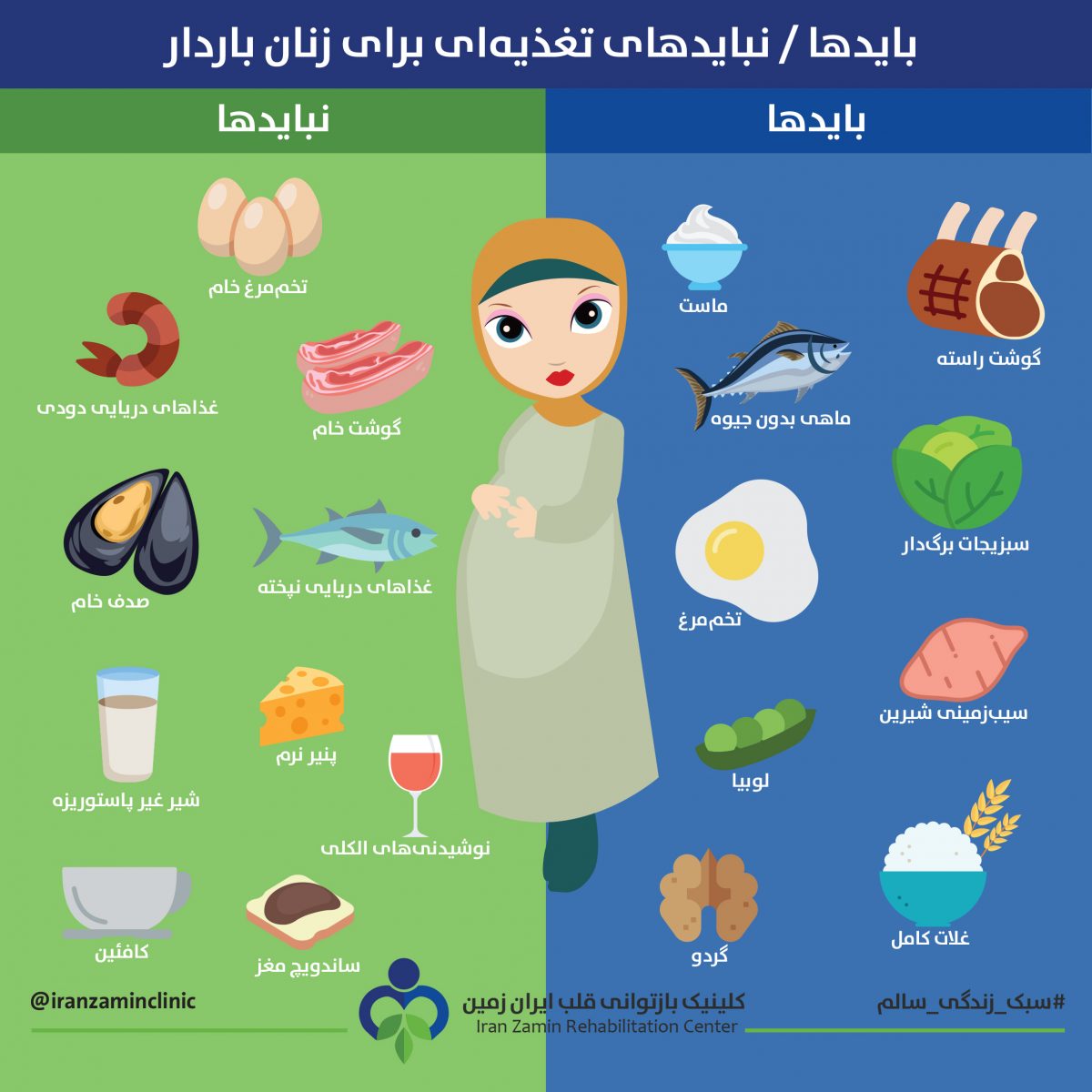
One of the most important matters during pregnancy is healthy nutrition for expectant mothers. Proper nutrition during this period plays a vital role in the health of both mother and baby. A balanced diet can support the baby's healthy growth and reduce the risk of many medical problems. In this article, we review the most important nutritional tips for pregnant mothers so you can have a healthy, comfortable pregnancy.
1. A Balanced Diet During Pregnancy
Proper nutrition during pregnancy doesn't necessarily mean eating much larger quantities of food. Many mothers assume they need to consume far more calories, but this is only true in certain circumstances, such as the third trimester. In fact, increasing calorie intake should happen gradually and in proportion to each stage of pregnancy. Generally, pregnant women need about 300 extra calories per day, though this can vary depending on physical condition and the baby's status.
During pregnancy, you should consume foods containing protein, carbohydrates, vitamins, and minerals to support the baby's healthy growth. These foods help strengthen the immune system and maintain the mother's health.
2. Foods to Avoid During Pregnancy
Certain foods should be eliminated from a pregnant mother's diet. Consuming foods that may be contaminated with bacteria or harmful substances can pose serious risks to both mother and baby. Important foods to avoid during pregnancy include:
- Raw eggs and raw seafood: Consuming raw eggs and improperly cooked seafood can lead to bacterial and viral infections that are dangerous for the baby.
- Raw or undercooked meat: Eating meat that isn't fully cooked can transmit various diseases.
- Soft cheeses: Some soft cheeses may contain bacteria such as listeria, which is harmful to the baby.
- Fatty and processed foods: Consuming high-fat foods such as sandwiches containing organ meats, or processed foods, can cause digestive problems or excessive weight gain in the mother.
- Caffeinated drinks and alcohol: Consumption of caffeinated beverages such as coffee and caffeinated tea, as well as alcoholic drinks, should be strictly limited, as they can have negative effects on fetal development.
3. Recommended Foods for Pregnant Mothers
During pregnancy, you should pay special attention to your diet and consume foods containing essential vitamins, minerals, and proteins. Some of the most important foods recommended for pregnant mothers include:
- Low-mercury fish: Fish such as salmon and tuna, which are low in mercury, are excellent sources of protein and omega-3 fatty acids that support the baby's brain development.
- Leafy greens: Vegetables such as kale, spinach, and lettuce, rich in vitamins and minerals like folate, are very beneficial for preventing neural tube defects in the baby.
- Dairy products: Dairy products such as yogurt, milk, and cheese are essential for strengthening the mother's and baby's bones due to their high calcium and vitamin D content.
- Eggs: Eggs are a rich source of protein and healthy fats that support the baby's growth.
- Nuts: Nuts such as walnuts and almonds are rich in omega-3 fatty acids and protein, and their consumption is recommended during pregnancy.
- Whole grains: Grains such as brown rice, whole wheat, and barley, which contain fiber and B vitamins, aid digestion and provide sustained energy for both mother and baby.
4. Special Considerations for Women with Gestational Diabetes
If you have gestational diabetes, your diet should be specifically managed under medical supervision. Consuming foods with a low glycemic index, controlling carbohydrate intake, and monitoring blood sugar levels are essential to prevent serious complications. Eating fruits, vegetables, whole grains, and lean proteins will help regulate blood sugar levels.
Final Word
Healthy nutrition for pregnant mothers not only supports the mother's health but also plays an important role in the baby's growth and development. Choosing the right foods and following a balanced diet can prevent many pregnancy-related problems and support the baby's healthy growth. Remember that every pregnancy is unique, so consulting with a physician and nutrition specialists is essential for setting up an appropriate diet. By following proper nutritional guidance and paying attention to the needs of your body and your baby, you can experience a healthier and more comfortable pregnancy.
0 دیدگاه
دیدگاه خود را بنویسید