 فارسی
فارسی  English
  العربية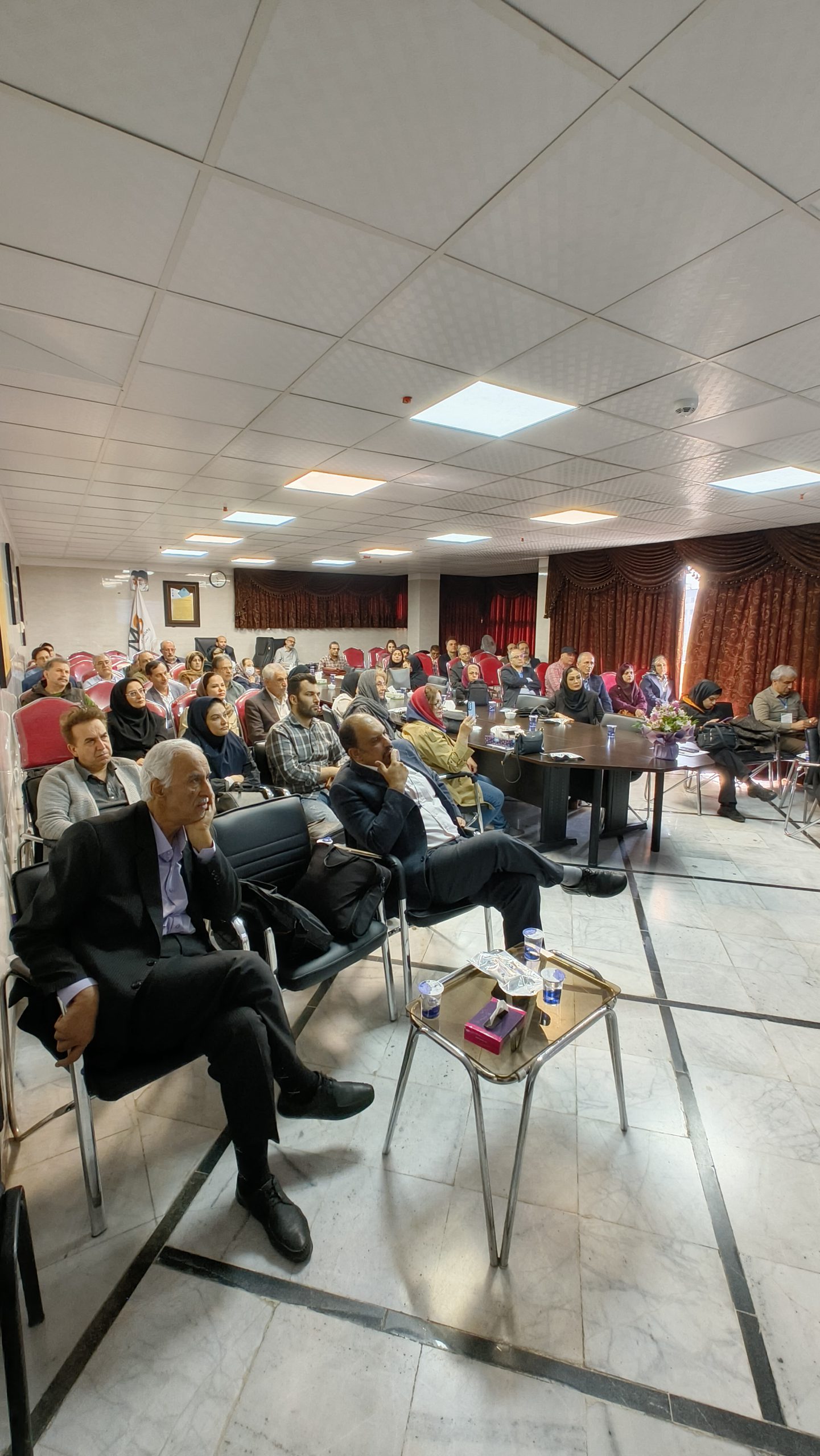
Cancer Treatment Complication Management Seminar at Iran Zamin Cardiac Rehabilitation Clinic
With the goal of advancing the scientific level of its treatment staff and improving the quality of patient care, Iran Zamin Cardiac Rehabilitation Clinic held a specialized continuing education seminar on managing the complications of common cancer treatments. This scientific event was attended by a group of distinguished national professors in the fields of oncology, radiation oncology, cardio-oncology, nutrition, psychiatry, nephrology, neurology, sports medicine, and rehabilitation, and provided a scientific and practical review of the consequences of cancer treatments and modern strategies for controlling and reducing these complications.
The increasing survival rate among cancer patients has doubled the importance of attention to quality of life after treatment. As a result, properly managing the complications of chemotherapy, radiotherapy, and oncological surgery has become one of the core pillars of modern cancer care.
The Importance of Managing Cancer Treatment Complications
Although cancer treatments play a vital role in controlling and curing the disease, they can be accompanied by numerous short-term and long-term complications. Chronic fatigue, cardiac damage, kidney disorders, digestive problems, neurological disorders, reduced physical capacity, lymphedema, and psychological problems are among the consequences that, if not properly managed, can seriously affect patients' quality of life.
Managing cancer treatment complications means adopting a comprehensive, multidimensional approach that includes continuous patient monitoring, specialized medical interventions, lifestyle modification, nutritional support, physical rehabilitation, and psychological support. This seminar was designed and conducted with exactly this comprehensive perspective in mind.
According to a report by the World Health Organization (WHO), properly managing the complications of cancer treatments plays an important role in improving patients' quality of life.
Distinguished Speakers and Scientific Topics of the Seminar
At this scientific event, distinguished professors provided specialized reviews of the common complications of cancer treatments and modern strategies for managing them:
- Dr. Simin Hemati – Radiation Oncology Specialist: Radiotherapy complications and strategies to reduce tissue damage
- Dr. Fariborz Makarian – Hematology and Oncology Subspecialist: Chemotherapy complications and supportive care for cancer patients
- Dr. Neda Mohammadi – Radiation Oncology Specialist: Managing skin complications, fatigue, and functional disorders caused by radiotherapy
- Dr. Azam Yalameh – Cardio-Oncology Subspecialist: Cardiac damage caused by cancer treatments and patient cardiac monitoring
- Dr. Pejman Pourshabanan – Nephrology Subspecialist: Kidney complications of chemotherapy and prevention and treatment strategies
- Dr. Vahid Shaygannejad – Neurologist: Neurological consequences of cancer treatments and related strokes
- Dr. Mehdi Fesharakizadeh – Colorectal Surgery and Laparoscopy Subspecialist: Considerations for oncological surgeries and post-operative care
- Dr. Abed Ghavami – PhD in Nutritional Sciences: The role of medical nutrition therapy in reducing chemotherapy complications and increasing treatment tolerance
- Dr. Mohammad Mehdi Hadavi and Dr. Masoud Fesharaki – Sports Medicine Specialists: The role of exercise therapy and rehabilitation in cancer patients
- Dr. Zeinab Javdan – Lymphedema Therapist: Managing lymphedema after surgery and radiotherapy
- Dr. Farnaz Golmohammadi – Pediatric Psychiatry Subspecialist: Psychological support for patients and families on the cancer treatment journey
A Multidisciplinary Approach: The Key to Success in Treating Cancer Patients
One of the strengths of this seminar was its emphasis on a multidisciplinary approach to managing the complications of cancer treatments. Experience has shown that simultaneous collaboration among various specialists — from oncologists and cardiologists to nutrition, psychiatry, and rehabilitation specialists — can significantly reduce complications, increase treatment tolerance, and dramatically improve patients' quality of life.
Iran Zamin Clinic, relying on this same team-based perspective, provides comprehensive services for cancer patients and patients after treatment.
The Role of Rehabilitation and Lifestyle in Improving Patients' Quality of Life
Physical rehabilitation, adjusting patterns of physical activity, proper nutrition, and psychological support are essential pillars of post-cancer treatment care. This seminar placed special emphasis on the role of controlled exercise therapy, a diet tailored to the patient's condition, and continuous monitoring of complications.
These measures not only help reduce complications but also facilitate patients' return to normal life and increase life expectancy.
Summary
The continuing education seminar on managing the complications of common cancer treatments at Iran Zamin Clinic was a valuable opportunity to exchange knowledge among specialists and raise the scientific level of the treatment staff. Addressing practical topics, the presence of distinguished professors, and the emphasis on a multidisciplinary approach made this event one of the most effective scientific programs in the field of cancer patient care.
Through such programs, Iran Zamin Clinic continues to advance specialized services, ongoing education, and improved quality of life for patients.
0 دیدگاه
دیدگاه خود را بنویسید