
 فارسی
فارسی  English
  العربية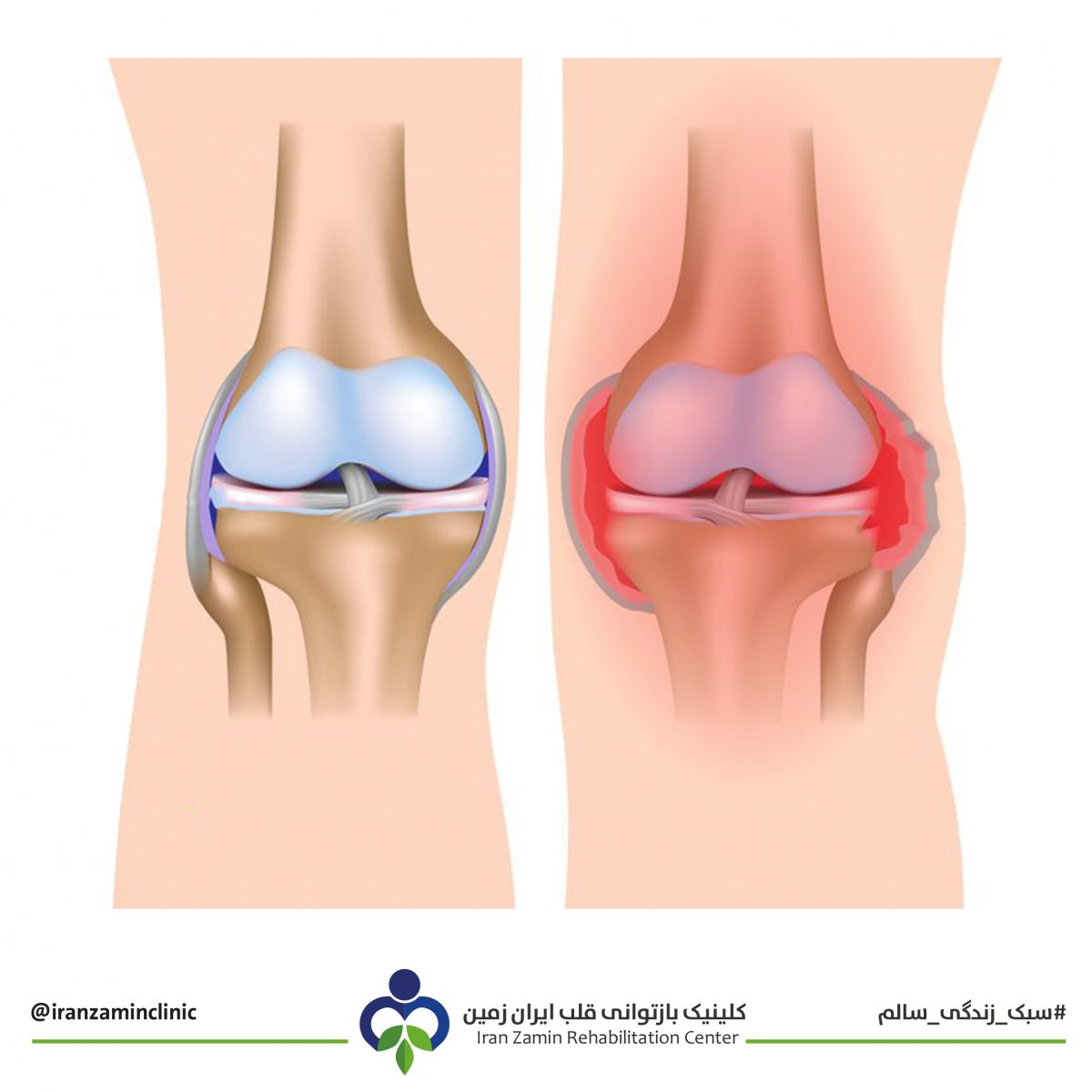
What Is a Baker's Cyst?
A Baker's cyst, also called a popliteal cyst, is a fluid-filled swelling that forms behind the knee. It occurs when excess joint fluid — produced to lubricate the joint and reduce friction — accumulates in the space behind the knee. This excess fluid is usually caused by joint problems such as knee injury or significant inflammation. Although a Baker's cyst is usually not dangerous, it can cause significant pain and discomfort.
Causes of a Baker's Cyst
A Baker's cyst usually develops following knee problems, particularly those that cause inflammation or excess joint fluid production. Common causes include:
- Osteoarthritis: This joint disease, which causes gradual destruction of the knee joint, can increase joint fluid production and lead to the formation of a Baker's cyst.
- Rheumatoid arthritis: An autoimmune disease that causes joint inflammation and is one of the causes of a Baker's cyst.
- Knee injuries: Injuries to the knee, such as a torn meniscus or ligament damage, can increase joint fluid production and lead to cyst formation.
- Torn meniscus: Damage to the meniscus cartilage in the knee can create space for joint fluid to accumulate.
Symptoms of a Baker's Cyst
Many people with a Baker's cyst have few symptoms in the early stages. However, as the cyst grows larger or the underlying problem worsens, the following symptoms may appear:
- Swelling behind the knee: One of the most common symptoms is visible or palpable swelling behind the knee. The cyst's size can range from small to large and may become more noticeable after physical activity.
- Knee stiffness: A Baker's cyst can cause stiffness and discomfort behind the knee, making movement difficult.
- Pain: Pain is usually felt behind the knee, especially after prolonged standing or physical activity, and may intensify when the knee is bent or in a standing position.
- A feeling of pressure: Some people may feel a sense of 'fullness' or pressure behind the knee, which usually worsens after activities such as climbing stairs or bending.
- Complications: If the cyst grows large enough, it may rupture. When this happens, fluid leaks into the calf muscles, causing swelling, redness, and bruising in the lower leg — a condition often mistaken for deep vein thrombosis (DVT).
When to See a Doctor
While a Baker's cyst is usually not dangerous, it can cause painful and bothersome symptoms. Especially if injury or complications occur, seeing a doctor for proper diagnosis and treatment is essential. Some symptoms that require medical consultation include:
- Severe pain: Intense pain, especially following rupture of the cyst.
- Redness and warmth: If the area around the cyst becomes red, swollen, and warm, it may be a sign of infection or other complications.
- Difficulty walking: If the cyst or underlying problem makes movement or walking difficult, you should see a doctor.
- Signs of deep vein thrombosis (DVT): If you notice significant swelling in your calf or thigh accompanied by pain and redness, you should see a doctor immediately to rule out a blood clot.
After a physical examination, a doctor may use imaging methods such as ultrasound or MRI to get a better look at the cyst and evaluate the underlying cause.
Treating a Baker's Cyst
Treatment for a Baker's cyst depends on the severity of symptoms and the underlying cause. Treatment options include:
- Conservative management: Rest (reducing physical activity and putting less pressure on the knee can help reduce swelling and pain); ice and elevation (applying ice to the swollen area and elevating the leg can reduce inflammation); pain relievers (medications such as ibuprofen or acetaminophen can help reduce pain and inflammation); compression (using a knee brace or compression bandage can prevent swelling and support the knee).
- Physiotherapy: If the cyst is caused by knee joint weakness or improper function, physiotherapy can help strengthen the muscles around the knee and improve joint function.
- Corticosteroid injection: In some cases, a doctor may recommend a corticosteroid injection into the knee to reduce inflammation and swelling.
- Surgery: If the cyst causes severe pain or complications, surgery to remove it may be necessary. In some cases, the doctor may also correct the underlying problem, such as a torn meniscus, during the surgery.
Preventing a Baker's Cyst
While some causes of a Baker's cyst, such as osteoarthritis or a torn meniscus, cannot be prevented, lifestyle changes can help reduce the risk of cyst formation or recurrence:
- Regular exercise: Low-impact activities such as swimming or cycling can help maintain knee joint flexibility and strength without putting excessive pressure on it.
- Weight management: Maintaining a healthy weight reduces the pressure placed on the knee and lowers the risk of joint problems that could lead to a Baker's cyst.
- Proper warm-up: Proper stretching and warming up before exercise can prepare the knee joint for activity and reduce the risk of injury.
For Consultation at Iran Zamin Cardiac Rehabilitation Clinic
If you're suffering from knee pain or swelling behind the knee, our specialized team at Iran Zamin Cardiac Rehabilitation Clinic is ready to provide consultation and appropriate treatment. Contact us for guidance and help with a Baker's cyst and improving your knee joint health.
0 دیدگاه
دیدگاه خود را بنویسید